Lenalidomide-based Induction and Maintenance Therapies Prove Safe and Effective in Multiple Myeloma

Larry Rosenberg, PhD December 2010, Volume 1, Issue 7

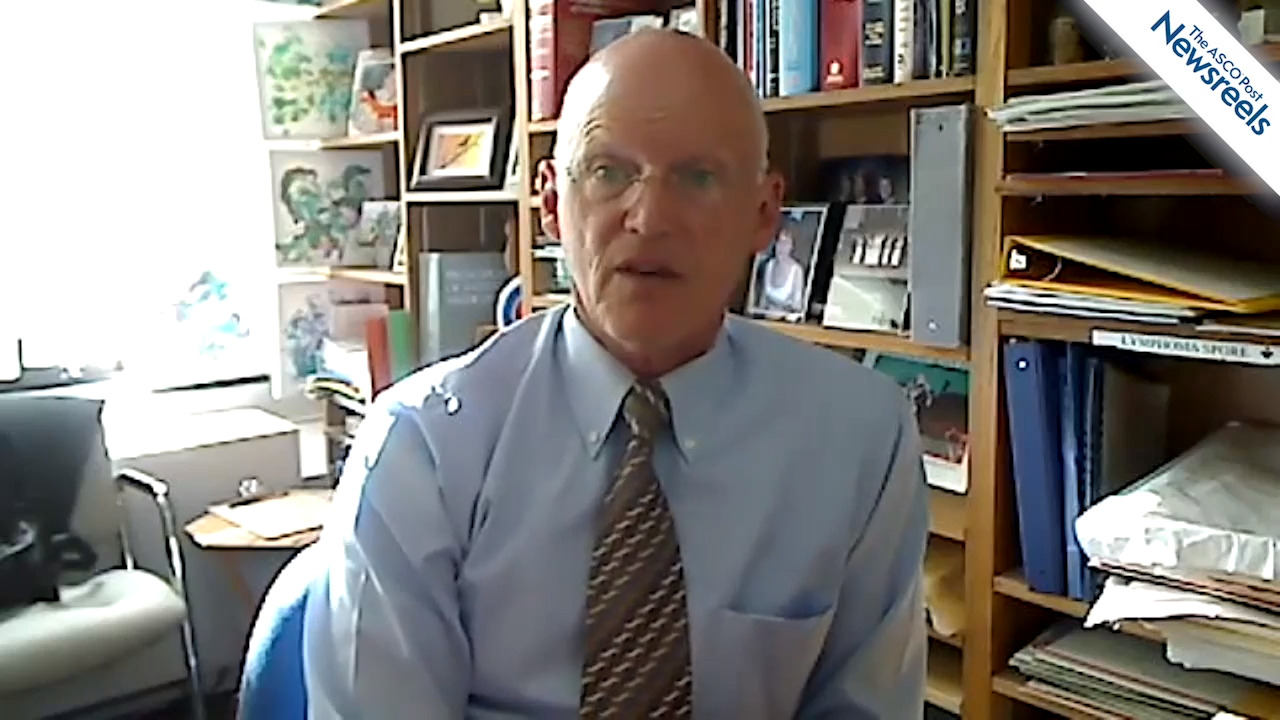
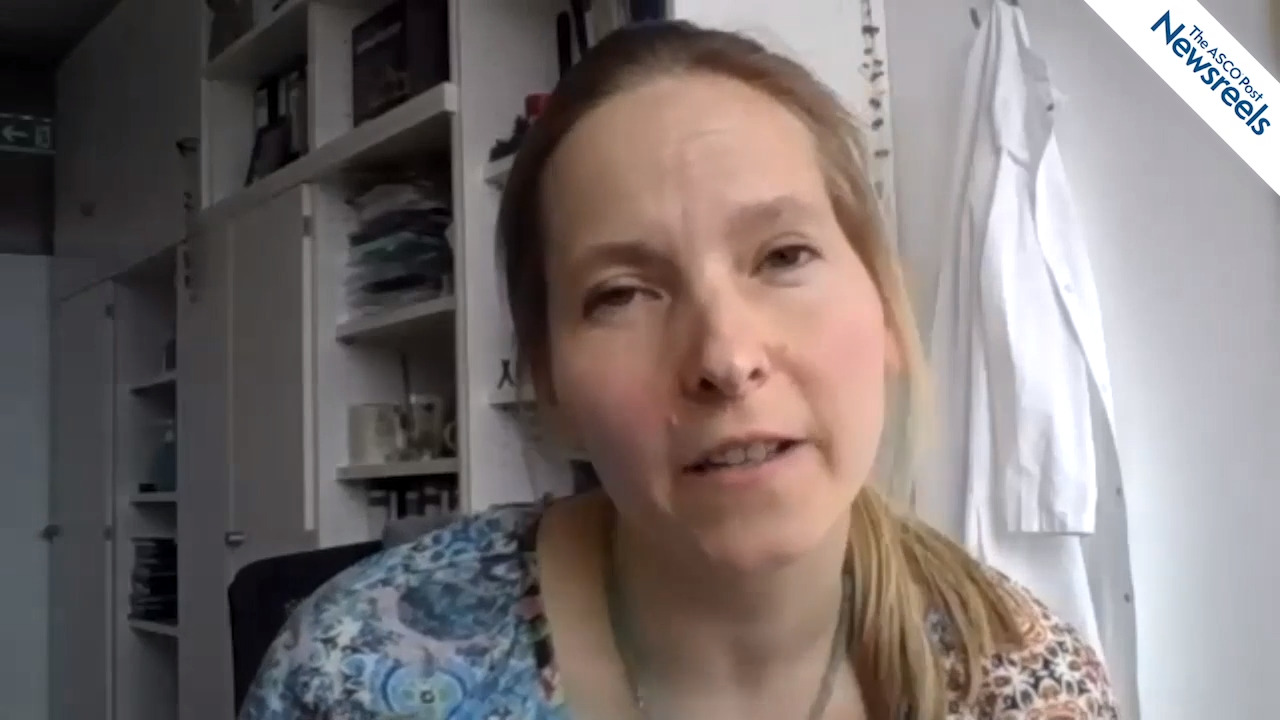
Paul G. Richardson, MDThree phase III trials addressing the use of lenalidomide (Revlimid) for either induction or maintenance therapy in multiple myeloma suggest that the drug is safe and effective in both settings. These findings were presented at the Best of ASCO Meeting in Boston by Paul G. Richardson, MD, Clinical Director of the Jerome Lipper Center for Multiple Myeloma at Dana-Farber Cancer Institute (DFCI) and Associate Professor of Medicine at Harvard Medical School.1-3

CALGB 10014

Results of the intergroup trial ­CALGB 100104 showed that maintenance therapy with lenalidomide following induction therapy and autologous stem cell transplantation (ASCT) in patients with multiple myeloma can significantly delay disease progression compared to placebo. This benefit appears to be independent of β2-microglobulin level or prior thalidomide (Thalomid) or lenalidomide therapy.1

These data were first presented at the 2010 ASCO Annual Meeting by Philip L. McCarthy, Jr, MD, of the Roswell Park Cancer Institute, on behalf of the Cancer and Leukemia Group B (CALGB), Eastern Cooperative Oncology Group (ECOG), and Blood and Marrow Transplant Clinical Trials Network (BMT-CTN). The prospective randomized trial compared a continuous dosing schedule of lenalidomide with placebo in patients with multiple myeloma following ASCT.

The ASCT regimen consisted of melphalan, 200 mg/m2. At days 100 through 110 post-transplant, patients were randomly assigned to placebo or lenalidomide, 10 mg/d, which could be escalated to 15 mg/d or decreased to 5 mg/d after 3 months, depending on tolerance. The study enrolled 568 patients. An interim analysis involving 418 randomly assigned patients was conducted after 28% of events (disease progression or death) had occurred. Results demonstrated that 29 events occurred among 210 lenalidomide-treated patients compared with 58 of 208 patients on placebo (P < .0001). The estimated hazard ratio was 0.42, translating into a 58% reduction in risk of disease progression for patients on lenalidomide maintenance therapy. Median time to progression was 25.5 months in the placebo arm and had not been reached in the lenalidomide arm at the time of this analysis. Lenalidomide maintenance therapy was well tolerated.

According to Dr. Richardson, "This study conveyed strikingly the importance of maintenance therapy post-transplant as a strategy to significantly reduce the risk of early progression, with a trend suggesting survival benefit."

With 1 year of follow-up, no significant difference in overall survival could be detected as yet (11 deaths with lenalidomide vs 17 with placebo; P < .2). The study was unblinded in December 2009 to allow for crossover of eligible placebo patients from placebo to lenalidomide, which occurred in 77 of 89 patients.

"Because progression-free survival has always been a consistent surrogate for overall survival in multiple myeloma," said Dr. Richardson, "I would expect that within the next 1 to 2 years, a survival difference will become apparent."

IFM 2005-02

A similar randomized, placebo-controlled French study, IFM 2005-02, also found that lenalidomide maintenance therapy is effective in patients with multiple myeloma following ASCT, significantly increasing both the response rate and progression-free survival compared to placebo. The drug was found to be effective in all stratified subgroups examined and was generally well tolerated, Dr. Richardson reported.2 Data from the first interim analysis of this trial were previously presented at the Annual Meeting by Michel Attal, MD, of the Centre Hospitalier de Purpan in Toulouse, France, on behalf of the Intergroupe Francophone du Myelome (IFM).

Fig. 1: Progression-free survival in IFM 2005-02.Patients with nonprogressive disease ≤ 6 months following initial ASCT were randomly assigned to consolidation therapy with lenalidomide (25 mg/d, 21 days per month, over a 2-month period), which was followed by either maintenance lenalidomide at 10 to 15 mg/d until relapse (arm B) or placebo (arm A). Randomly assigned patients were stratified according to β2-microglobulin level, deletion of the long arm of chromosome 13 (associated with poor response to chemotherapy in multiple myeloma), and very good partial response status.

A total of 614 patients were enrolled at 78 centers between July 2006 and August 2008, with 307 patients randomly assigned to each arm. A preplanned interim analysis was conducted, with a median follow-up of 24 months. The proportion of patients achieving at least a very good partial response following maintenance therapy was greater with lenalidomide compared to placebo (77% vs 70%; P = .08). Death or progression occurred in 77 patients (25%) in arm B vs 143 (47%) in arm A. Median progression-free survival (the primary endpoint) was 24 months in arm A and has not yet been reached in arm B. At 3 years post-randomization, the progression-free survival rate was significantly superior with lenalidomide (68% vs 34%, Fig. 1), with a hazard ratio of 0.46 (P < 10‑7); however, overall survival was no different (88% vs 80%; HR = 1; P = .88).

Lenalidomide was generally well tolerated in both this study and the CALGB trial; toxicities included myelosuppression, rare thrombosis, and occasional rash.

In Dr. Richardson's opinion, "Maintenance lenalidomide, by virtue of these two large randomized trials, should be considered as an important new treatment option for patients post-transplant."

Novel Induction Regimen

Early data from a phase III Italian/Israeli study suggest that use of a novel lenalidomide-based induction therapy is safe and as effective as an initial therapy prior to either high-dose therapy with stem-cell support or conservative treatment with melphalan, prednisone, and lenalidomide in patients with newly diagnosed multiple myeloma. Although further follow-up is needed, this approach may allow ASCT to be delayed in some patients.

Induction and Maintenance Approaches to Multiple Myeloma

This randomized trial compared the combination of melphalan, prednisone, and lenalidomide (MPR) to tandem ASCT plus melphalan (MEL200), following lenalidomide induction therapy. According to Dr. Richardson, these results are quite striking because, to date, the response and early progression-free survival data are identical in both arms. This suggests that the efficacy of the MPR regimen after lenalidomide and dexamethasone induction was identical to that of tandem transplantation. Results of this trial were initially presented at the Annual Meeting by Antonio Palumbo, MD, of the University of Torino, Italy.

All patients received an induction regimen consisting of four 28-day cycles of lenalidomide (25 mg on days 1-21) and low-dose dexamethasone (40 mg on days 1, 8, 15, 22). This was followed by stem-cell mobilization using cyclophosphamide and granulocyte colony-stimulating factor. For consolidation therapy, patients (N = 202) were randomly assigned to MPR (six 28-day cycles of melphalan at 0.18 mg/kg on days 1-4), prednisone (2 mg/kg on days 1-4), and lenalidomide (10 mg on days 1-21); or to MEL200 (tandem melphalan at 200 mg/m2 plus stem-cell support). A subsequent randomization allocated patients to either no therapy or maintenance lenalidomide (10 mg/d on days 1-21 every 28 days).

A total of 402 patients from 62 centers were randomly assigned in a 1:1 ratio. Best response following induction with lenalidomide and dexamethasone was a partial response in 49% of patients, very good partial response in 31%, and complete response in 6%. One month after induction, the minimum stem cell yield (> 2 × 106 CD34+ cells/kg) could be collected from 91% of patients, with a median yield of 8.85 × 106 CD34+ cells/kg.

With a median follow-up of 14 months, progression-free survival was equivalent in both arms (86%; P = .49), as was overall survival (96% MPR, 98% MEL200; P = .13). However, compared with MPR, consolidation with MEL200 was associated with a significantly higher incidence of grade 3/4 neutropenia (86% vs 45%) and thrombocytopenia (87% vs 8%).

Dr. Richardson emphasized that while the findings are provocative, these results should be interpreted with caution because the data are early. "Results from this trial stress that, using novel induction regimens, the ability to delay transplant in some patients and thus keep it in reserve does appear to be a reasonable strategy."

Dr. Richardson's group reported that the lenalidomide and dexamethasone regimen is also highly effective when used in combination with bortezomib (Velcade) as induction therapy for newly diagnosed multiple myeloma as part of the so-called RVD regimen (lenalidomide, bortezomib, and dexamethasone).4 This regimen achieved an unprecedented 100% partial response rate or better in 66 patients as part of a multicenter phase I/II trial. Remarkably, a very good partial response rate of 74% and a near-complete/complete response rate of 52% were seen in the phase II portion of study, with favorable tolerability reported and no treatment-related mortality.

A large randomized trial (IFM/DFCI) starting in the fall will evaluate the combination of RVD with early or late ASCT in newly diagnosed patients with multiple myeloma. ■

References

1. McCarthy PL, Owzar K, Anderson KC, et al: Phase III intergroup study of lenalidomide versus placebo maintenance therapy following single autologous stem cell transplant (ASCT) for multiple myeloma (MM): CALGB 100104. Best of ASCO Meeting Boston. Abstract 8017. Presented July 23, 2010, by Paul G. Richardson, MD.

2. Attal M, Cristini C, Marit G, et al: Lenalidomide maintenance after transplantation for myeloma. Best of ASCO Boston. Abstract 8018. Presented July 23, 2010, by Paul G. Richardson, MD.

3. Palumbo AP, Cavallo F, Di Raimondo F, et al: A phase III trial of melphalan/prednisone/lenalidomide (MPR) versus melphalan (200 mg/m2) and autologous transplantation (MEL200) in newly diagnosed myeloma patients. Best of ASCO Boston. Abstract 8015. Presented July 23, 2010, by Paul G. Richardson, MD.

4. Anderson KC, Weller E, Lonial S, et al: Lenalidomide, bortezomib, and dexamethasone in patients with newly diagnosed multiple myeloma (MM): Final results of a multicenter phase I/II study. 2010 ASCO Annual Meeting. Abstract 8016. Presented June 6, 2010, by Paul G. Richardson.

Share |

Related Links: