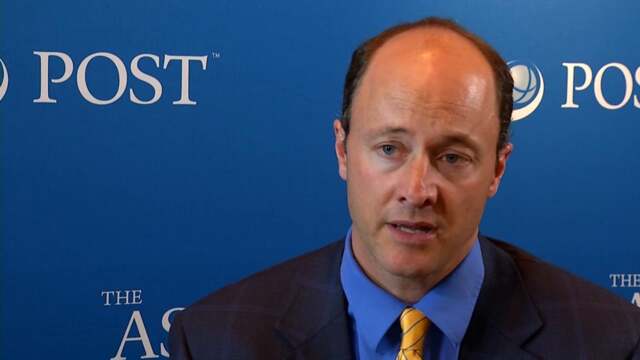
Thomas A. D’Amico, MD, on Diagnosis and Treatment of NSCLC Using Minimally Invasive Techniques
2015 NCCN Annual Conference
Thomas A. D’Amico, MD, of Duke Cancer Institute, discusses the superior efficacy of thoracoscopic lobectomy. This minimally invasive procedure is used in only 50% of lung cancer surgeries in the United States, in 30% of procedures in Asia, and in as few as 10% to 20% of procedures in Europe.
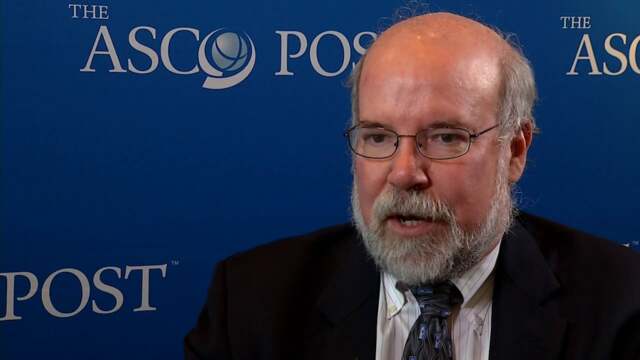
Andrew J. Armstrong, MD, ScM
Andrew J. Armstrong, MD, ScM, of Duke Cancer Institute, discusses the recent practice-changing landmark studies that showed significant increases in survival for men with castration-resistant prostate cancer and led to updates in the NCCN Guidelines for this disease.
Gregory A. Otterson, MD
Gregory A. Otterson, MD, of The Ohio State University Comprehensive Cancer Center and the James Cancer Hospital and Solove Research Institute, discusses the evolution of lung cancer treatment from adjuvant chemotherapy to immunotherapy and the clinical trials underway.
Crystal S. Denlinger, MD
Crystal S. Denlinger, MD, of Fox Chase Cancer Center, discusses cardiac toxicities in cancer survivors, a new topic for the NCCN Survivorship Guidelines this year, and the need for more research on this important side effect, including prevention and surveillance.
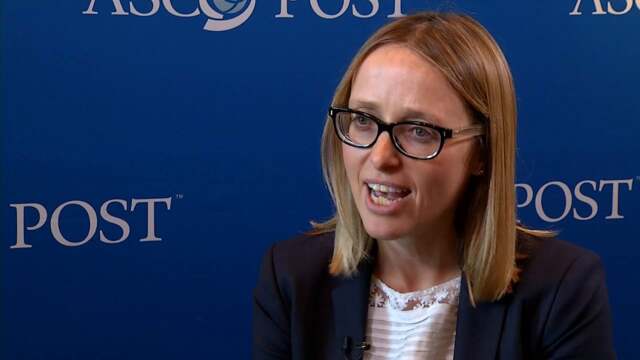
Leora Horn, MD, MSc
Leora Horn, MD, MSc, of the Vanderbilt-Ingram Cancer Center, discusses the range of treatment options for people with lung cancer, including third generation inhibitors, and the key clinical trials studying alternatives for patients with acquired resistance.
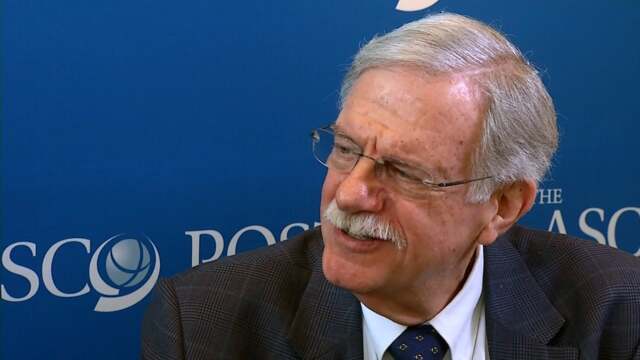
Samuel M. Silver, MD, PhD, and David S. Ettinger, MD
Samuel M. Silver, MD, PhD, of the University of Michigan Comprehensive Cancer Center, and David S. Ettinger, MD, of The Sidney Kimmel Comprehensive Cancer Center at Johns Hopkins, discuss the evolution of the NCCN Guidelines, the importance of including palliative care and survivorship recommendations, and the use of the guidelines in community practices.