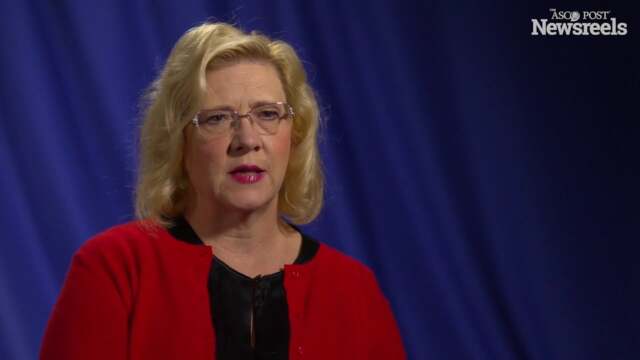
Eric Roeland, MD: Toward Better Treatment for Cachexia
2015 Palliative Care in Oncology Symposium
Given the challenges of recruiting patients for palliative care studies, Eric Roeland, MD, of the University of California, San Diego, discusses a way to increase the participation of those with cachexia, with the hope of improving treatment (Abstract 67).
Charles L. Loprinzi, MD
Charles L. Loprinzi, MD, of the Mayo Clinic, discusses olanzapine for the prevention of chemotherapy-induced nausea and vomiting in patients receiving highly emetogenic chemotherapy (Abstract 176).
Lorenzo Cohen, MD
Lorenzo Cohen, MD, of The University of Texas MD Anderson Cancer Center, discusses nonpharmacologic approaches to symptom control. Techniques such as acupuncture for managing pain and chemotherapy-induced nausea and vomiting, or yoga and meditation to help improve quality of life, can be safely integrated into oncology care.
Betty Ferrell, PhD, RN
Betty Ferrell, PhD, RN, of City of Hope, discusses two papers that look at an important issue from different perspectives: depression and anxiety among family caregivers of patients with advanced cancer, and the link between oncologists’ dispositional affect and depressive symptoms in their patients with metastatic cancer (Abstracts 224, 214).
Lawrence H. Einhorn, MD
Lawrence H. Einhorn, MD, of Indiana University Simon Cancer Center, discusses the encouraging study findings on olanzapine for prevention of chemotherapy-induced nausea and vomiting in patients receiving highly emetogenic chemotherapy (Abstract 176).
Amelie Harle, MD
Amelie Harle, MD, of the Christie NHS Foundation Trust, discusses a clinical trial––the first of its kind—designed to assess the efficacy of an antitussive in patients with lung cancer (Abstract 2).