Axel Grothey, MD, on Optimizing Systemic Therapy Selection in Metastatic Colorectal Cancer
2015 NCCN Annual Conference
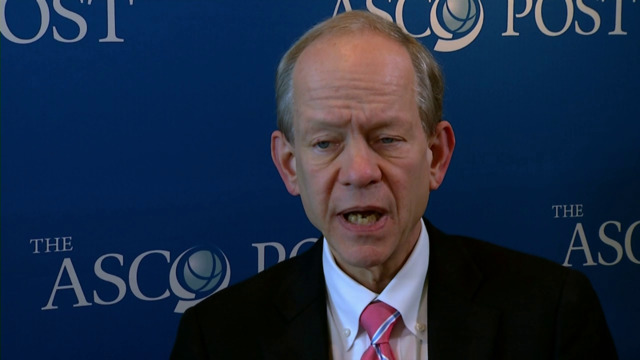
Axel Grothey, MD, of the Mayo Clinic Cancer Center, discusses how the NCCN Guidelines can help oncologists make strategic choices of the various agents available to treat metastatic colorectal cancer, individualizing patient care.
John A. Thompson, MD
John A. Thompson, MD, of the Fred Hutchinson Cancer Research Center and Seattle Cancer Care Alliance, discusses the latest immunotherapeutics for advanced melanoma, including pembrolizumab, trametinib, nivolumab, and dabrafenib.
Clifford Goodman, PhD, and Peter B. Bach, MD, MAPP
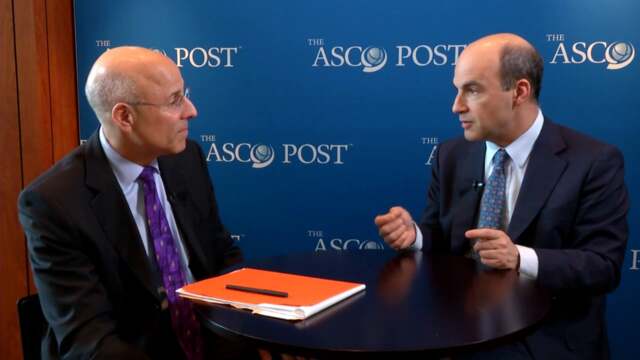
Clifford Goodman, PhD, of the The Lewin Group, and Peter B. Bach, MD, MAPP, of Memorial Sloan Kettering Cancer Center, discuss the affordability of cancer care, the “financial toxicities” of high drug prices, and what could and should be done about it.
Hans Gerdes, MD
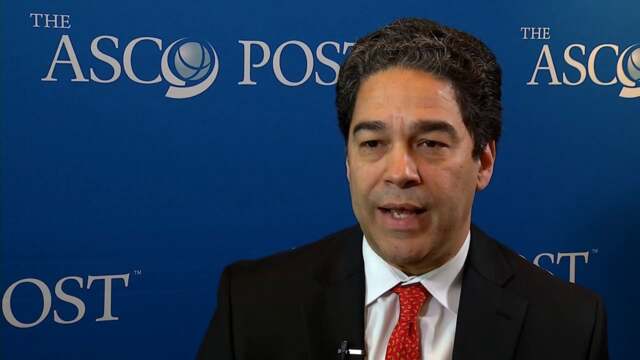
Hans Gerdes, MD, of Memorial Sloan Kettering Cancer Center, discusses a new approach to the management of early-stage esophageal cancers with endoscopic resections.
Leora Horn, MD, MSc
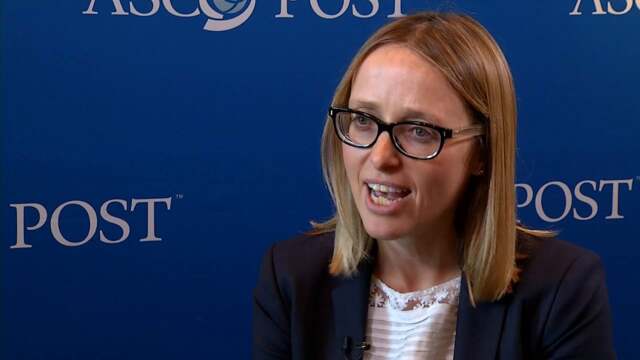
Leora Horn, MD, MSc, of the Vanderbilt-Ingram Cancer Center, discusses the range of treatment options for people with lung cancer, including third generation inhibitors, and the key clinical trials studying alternatives for patients with acquired resistance.
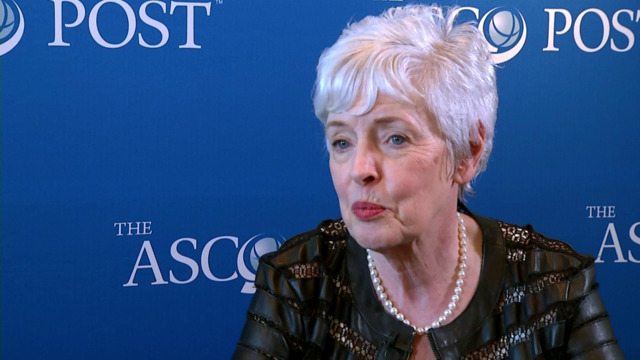
Mary Lou Smith, JD, MBA
Mary Lou Smith, JD, MBA, of the Research Advocacy Network, discusses, from the perspective of a patient advocate, the value of the NCCN guidelines and the impact they have made on cancer care.