
The ASCO Annual Meeting is one of the largest and most impactful oncology conferences of the year, featuring practice-changing data, state-of-the-art updates, developmental therapeutics, global issues, and more.
The 2026 meeting is expected to showcase paradigm-shifting science, presentations from clinical leaders, and networking opportunities. The program includes more than 200 sessions, over 450 oral abstract presentations, upwards of 2,700 poster presentations, and more than 100 educational sessions.
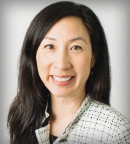
Jo Chien, MD
But it takes a village to put such a large program together, according to Jo Chien, MD, Professor of Medicine at University of California, San Francisco, and Chair of the 2026 ASCO Annual Meeting Scientific Program Committee. Behind the scenes is a sprawling network of committee members and track leaders across dozens of disease areas and disciplines, along with ASCO leadership and staff, all working in concert more than a year in advance to shape the final meeting program that attendees will experience this weekend, May 29–June 2, at McCormick Place in Chicago, Illinois, and virtually online.
In this interview with The ASCO Post, Dr. Chien peels back the curtain to explain how the scientific program is built from the ground up.
How do you and the other committee members approach developing the program for the ASCO Annual Meeting?
First and foremost, we are committed to selecting and highlighting the best science and the studies with the greatest clinical relevance and impact. We also want to ensure that the meeting reflects the Presidential theme. This year, Dr. Eric Small's theme is “The Science and Practice of Translation: Improving Cancer Outcomes Worldwide.” We really keep this theme in mind as we build the Annual Meeting program. Although the scientific program is dependent on what abstracts come in, we also consider the theme when selecting session topics for education programs and Clinical Science Symposia.
The program planning starts with building the education program. There are tracks for both the education and scientific programs, including disease-specific tracks as well as broader tracks such as Symptom Science, Quality Care/Health Services, and Developmental Therapeutics. The Education Program Committee, chaired this year by Dr. Erika Ruiz-Garcia, will select the topics that are most relevant and timely for each track.
When the abstracts come in at the end of January, they are distributed to the different tracks and scored by the track members. Each track then meets to decide which abstracts will be slotted for oral presentation, rapid oral presentation, posters, or online publication.
There is a big planning meeting in March during which all the tracks meet to finalize these assignments.
In addition, some tracks include Clinical Science Symposia, which highlight abstracts focused on topics or themes specific to that track. There are also Special Clinical Science Symposia, which are designed to be cross-disciplinary and pull abstracts from multiple tracks.
How do the scientific and educational program committees work together to shape the annual program as a whole?
The Scientific Program Committee carefully considers the sessions, talks, and speakers selected by the Education Program. I participate in the Education Program planning meeting, and Dr. Ruiz-Garcia and the education track leaders join the Scientific Program planning meeting in March. We want to ensure that the programs are complementary with regard to session themes, talks, and speakers, while also ensuring diverse perspectives are represented.
Is there anything you think is being highlighted differently compared with past years?
You’ll see a focus on global contextualization throughout the program. We have deliberately organized sessions and selected speakers to ensure that a global perspective is represented. When appropriate, we have asked presenters to comment on the generalizability of results to resource-constrained environments. For example, where was the study conducted? Will the drug or intervention be available and accessible? What barriers exist to implementing the treatment in diverse settings?
ASCO is an international meeting, and our goal is to improve cancer outcomes worldwide, so it is important to the leadership team that the meeting reflects this.
Another priority for all of us on the leadership team this year is ensuring that we focus on what matters most to patients. There is a Special Clinical Science Symposia and an education session focused specifically on patient-centered endpoints and outcomes beyond survival—namely, which endpoints matter most to patients, which matter most to regulators, and how to incorporate them into clinical trials to deliver practice-changing results that meaningfully improve patients’ quality of life.
This focus is also reflected in how we are advising discussants to structure their talks. We are asking discussants to comment on what the results mean for patients in terms of the balance between efficacy and toxicity. For example, are the improvements in progression-free survival meaningful to patients when considering the additional toxicity, time burden, and/or cost?
This year, we wanted to try something new with the “Highlights of the Day” sessions. Highlights of the Day was inaugurated at ASCO 2004, when Dr. Small was Scientific Program Chair. At that time, it was designed to address the growing scope and complexity of the annual meeting by providing the most important highlights from sessions attendees may have missed.
The world has changed, and with everything now available online during and after the meeting, the need for a recap is less essential because people can simply watch the original sessions. As a result, this year we have changed it to “Highlights of the Year.”
The program remains track-based, with each track selecting a topic or theme that is particularly timely in the field. Discussants will select a handful of ASCO abstracts related to that topic and place them in context alongside other studies presented or published this year. This format allows for a richer, more contextualized discussion of what is most relevant in each field.
